
Go-to-market strategy · Food and beverage
UK plant-based market entry
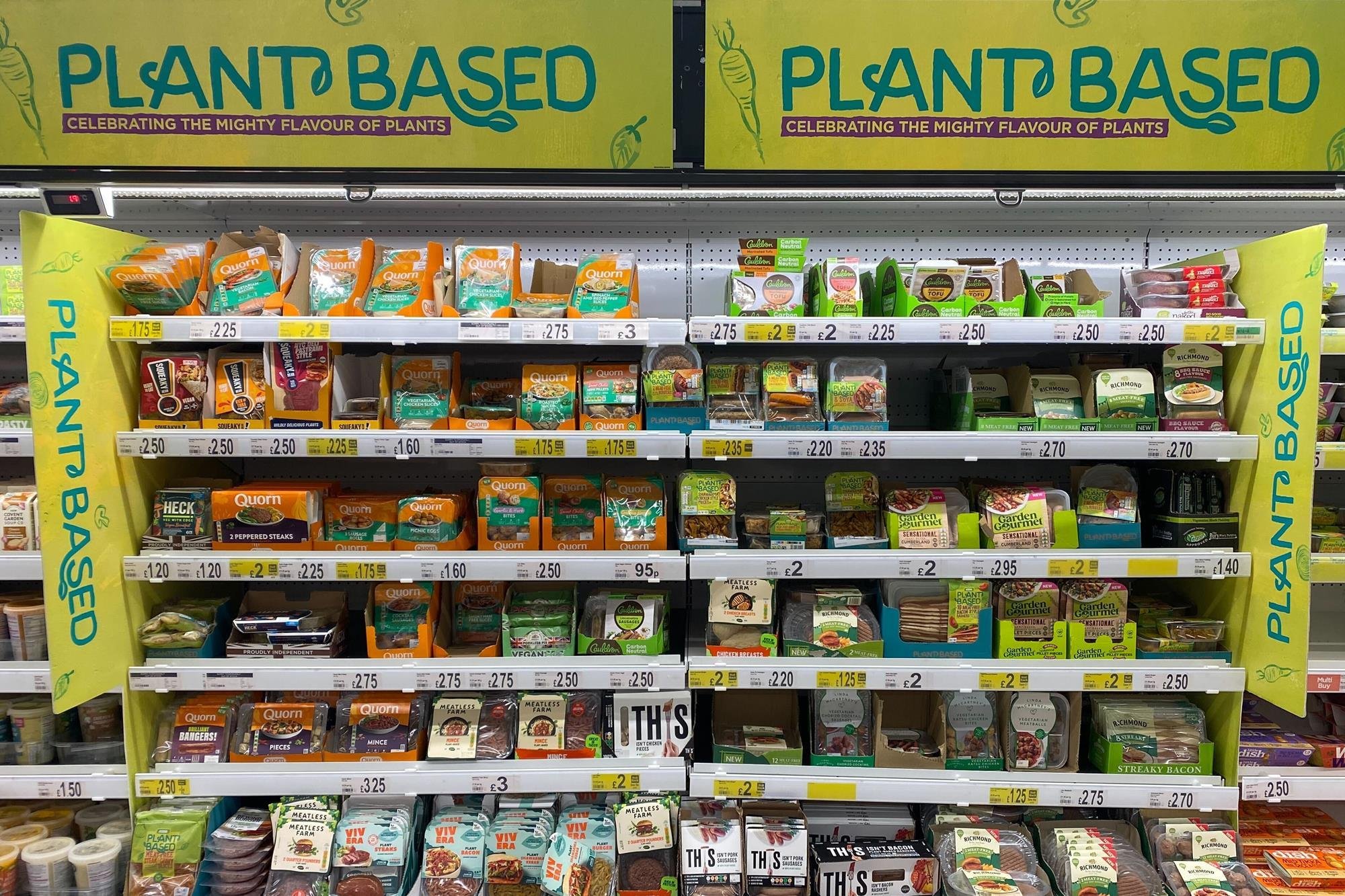
CPGS assessed UK market entry for a leading European food company’s clean-label vegetable slices - retail data, store audits, consumer research and expert interviews informed recommendations on product adaptations, distribution priorities and rollout strategy, supported by scenario economics
Situation
A leading European food company was exploring entry into the UK with a differentiated vegetable-slices proposition built around natural ingredients, rather than conventional meat substitutes.
At the time of the assessment, the UK plant-based category presented a complex opportunity. Consumers wanted healthier, less processed and better-tasting options, while concerns about ultra-processed foods, price sensitivity and retailer range rationalisation created barriers to growth.
The client needed to establish whether its proposition could deliver incremental category growth and how it could compete with brands that already had local awareness and retailer relationships.
Project objective
Assess market attractiveness and the client’s ability to compete, considering consumer needs, retailer priorities, competitive dynamics and category profitability.
Define the entry strategy across product, pack format, pricing, promotion, shelf placement, distribution and launch sequencing.
Compare direct branded entry, private label, partnership and acquisition-led routes to market.
Model commercial upside and contribution margin under alternative rollout scenarios, including trade terms, logistics, advertising and promotion, and rate of sale.
What was done
Retail data analysis: Analysed Nielsen sell-out data to assess category size, growth, pricing, promotions, regional performance, store formats and product productivity.
Store audits: Examined pack sizes, shelf placement, competitor facings, merchandising constraints and promotional mechanics across key UK locations.
Consumer research: Investigated purchase barriers, usage occasions, brand perceptions and the appeal of a clean-label legume-based proposition relative to existing alternatives.
Competitor benchmarking: Assessed leading brands, portfolio gaps, category exits and potential acquisition or partnership platforms.
Expert and retailer interviews: Tested assumptions about listing requirements, retailer economics, shelf life, distribution priorities and category growth drivers.
Rollout analysis: Evaluated store-format performance, regional potential, launch benchmarks and rate-of-sale thresholds to inform distribution priorities and execution risks.
Results delivered
A market-entry diagnostic covering consumer demand, competition, retailer requirements, operational feasibility and economic viability.
Recommendations on adaptations to pack format, slice size, pricing, promotion, shelf placement and distribution focus.
A recommended rollout centred on priority products, selected store formats and regional clusters, with expansion dependent on demonstrated rate of sale.
Scenario economics identifying the main profitability sensitivities: rate of sale, promotional depth, retailer margin, logistics costs, advertising and promotion investment, and distribution breadth.
Planning entry into a new consumer goods market? Discuss your market-entry challenge
Explore CPGS’s consulting model · View more consumer goods projects